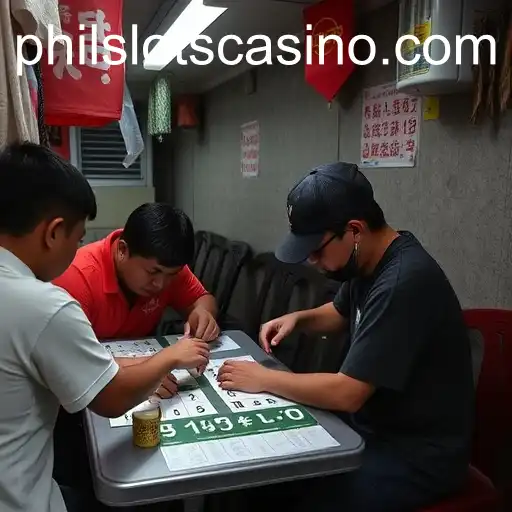
The Intricacies of Jueteng: A Deep Dive into the Controversial Lottery and Its Relation to PHILSLOTS
An Introduction to Jueteng
Jueteng is a widely known illegal numbers game in the Philippines, often described as a grassroots lottery. Despite its illegal status, Jueteng has remained deeply ingrained in Filipino culture, existing parallel to legitimate gambling activities. The game has its roots in the Spanish colonial era and continues to be a significant aspect of daily life in various regions of the country.
This article delves into the complexities of Jueteng, examining its historical trajectory, societal impact, and its contentious relationship with the formal gambling sector, including platforms like PHILSLOTS.
The Mechanics of Jueteng
Understanding how Jueteng operates is key to understanding its enduring appeal. The game involves betting on numbers, typically from one to thirty-seven. Gamblers make their selections, and winners are drawn through a manual process that often takes place in secretive locales. The allure of Jueteng lies in its accessibility and the prospect of quick monetary rewards, appealing to those at the lower end of the economic spectrum.
Stealth and Strategy
Jueteng's operation hinges on a network of people who organize collecting bets and payouts. This informal network includes 'cobradores' (bet collectors) and 'cabos' (coordinators) who work under a financier known as the 'jueteng lord.' This structure not only facilitates the smooth functioning of the lottery but also ensures its survival despite repeated crackdowns by law enforcement.
The Historical Context of Jueteng
The origins of Jueteng can be traced back to the 19th century, introduced during Spanish colonial rule. Initially, it was a pastime among Chinese immigrants before permeating local communities, gaining a firm foothold due to its simplicity and ease of play.
Over time, Jueteng evolved from a mere gambling activity to a socio-cultural phenomenon, transcending its original purpose by becoming a staple in community events and gatherings. Its deep-rooted presence owes much to historical inertia and its ability to adapt to changing political landscapes.
The Socio-Economic Dynamics
An exploration of Jueteng cannot ignore the socio-economic underpinnings that sustain it. For many participants, Jueteng represents more than just a recreational activity; it offers a financial cushion amid economic instability. The frequent payouts instill a semblance of hope, providing a minor reprieve from financial difficulties.
The Role of Poverty
Poverty acts as both a catalyst and a consequence of Jueteng's persistence. In communities where economic opportunities are scarce, Jueteng provides an alternative, albeit precarious, financial resource. At the same time, the lure of windfall gains often leads to further financial strain for habitual gamblers.
Jueteng and Politics
The nexus between Jueteng and politics is a particularly controversial aspect of the game. Political figures—often accused of tolerating Jueteng operations in exchange for support during elections—contribute to its resilience. Despite official denouncements, allegations of political collusion surface regularly, highlighting the complex relationship between Jueteng operators and local officials.
PHILSLOTS: A Legal Alternative
In stark contrast to Jueteng, legal gambling platforms like PHILSLOTS offer regulated and government-sanctioned gaming experiences. These platforms bring the promise of transparency, security, and fair play, thereby appealing to a different demographic that values legitimacy and oversight.
PHILSLOTS operates within a strictly regulated framework, ensuring compliance with gaming laws and contributing to state revenues through taxation. Unlike Jueteng, whose earnings circulate within local networks, PHILSLOTS contributes to national development goals through its obligatory financial remittances.
The Interplay Between Jueteng and Legal Gambling
The simultaneous existence of Jueteng and legal alternatives like PHILSLOTS poses a multifaceted challenge. While PHILSLOTS represents progress and state-sanctioned gaming, Jueteng embodies cultural resistance and economic necessity within informal economies.
Efforts to transition players from Jueteng to formal gambling avenues encounter significant hurdles. The informal nature of Jueteng allows quick adaptation and lower entry barriers, while PHILSLOTS, despite its advantages, requires infrastructure and a certain level of economic investment from its players.
A New Paradigm: Integrating Tradition and Modernity
To address the dual presence of Jueteng and legal platforms, there is a need to reimagine this dynamic by integrating the traditional appeal of Jueteng with the regulated benefits of platforms like PHILSLOTS. This strategy involves community education, infrastructural investment, and a supportive legal framework that bridges informal and formal economies.
Conclusion
The topic of Jueteng presents numerous questions and challenges with no straightforward answers. In understanding its intricacies and its interaction with platforms like PHILSLOTS, stakeholders can begin forging pathways towards more regulated and equitable gaming experiences that honor Filipino culture while supporting economic growth.